





News Center
What is Float glass
2025-09-30
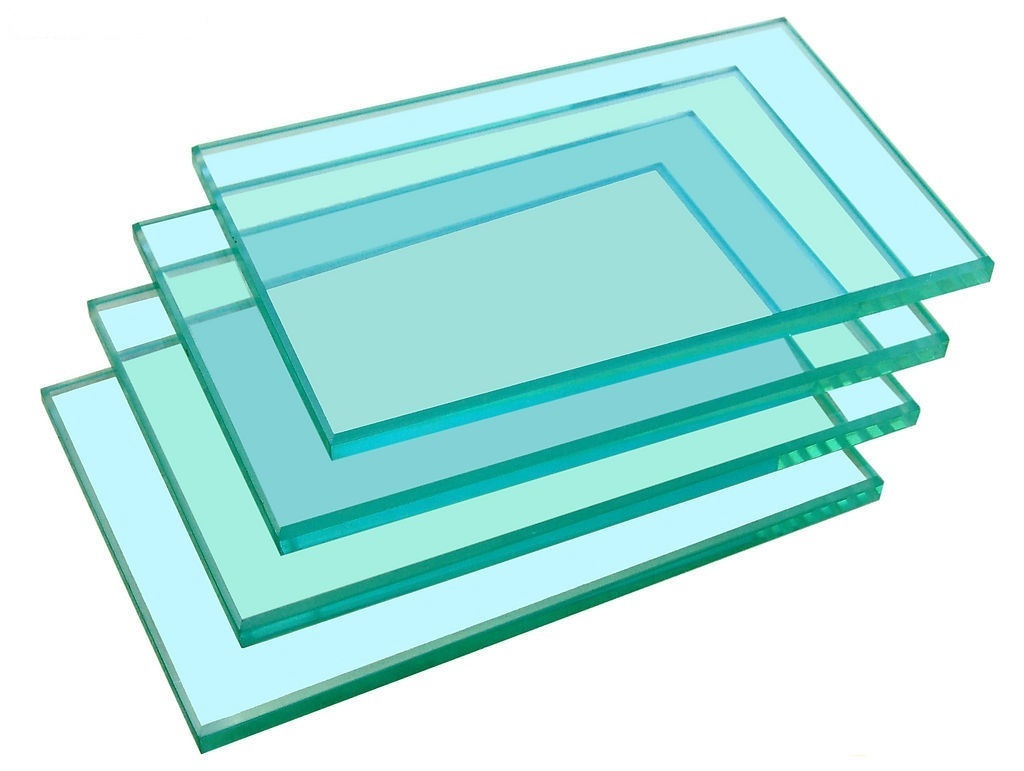
Float glass is a type of flat glass made by floating molten glass on a bed of molten tin. This process gives it very smooth, parallel surfaces and uniform thickness without needing grinding or polishing.
How it’s made:
-
Raw materials like silica sand, soda ash, and limestone are melted in a furnace at about 1,500°C.
-
The molten glass flows onto a bath of molten tin.
-
Because glass is less dense than tin, it floats and spreads evenly.
-
The glass ribbon is drawn off at a controlled speed to set its thickness.
-
It is slowly cooled in an annealing lehr, then cut into sheets.
Key properties:
-
Very flat, smooth, and optically clear
-
Uniform thickness
-
Available in many thicknesses, typically about 0.4 mm to 25 mm
-
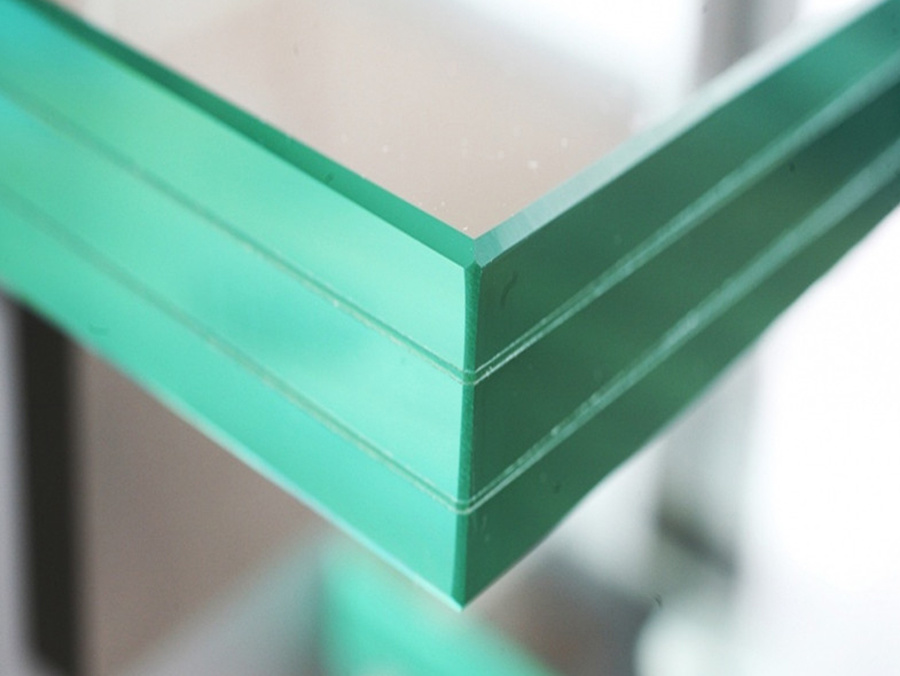
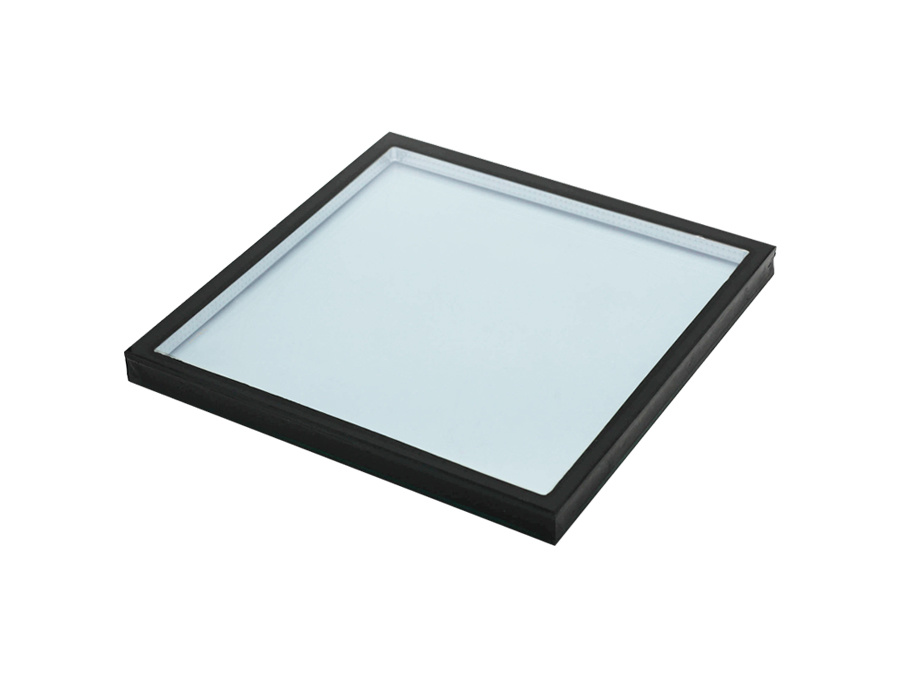
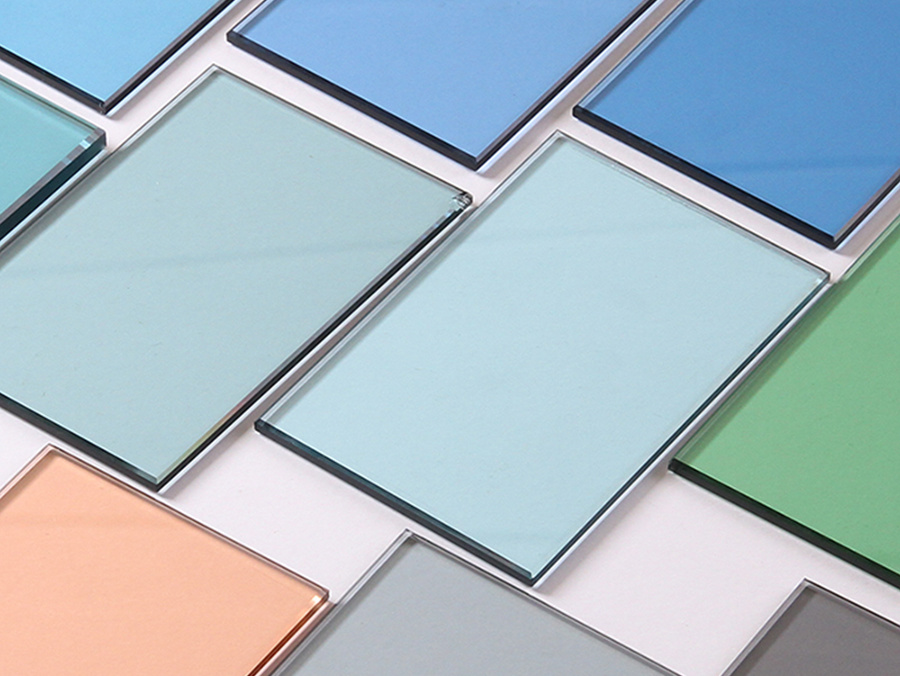
Can be further processed into tempered, laminated, coated, tinted, mirrored, or low-iron glass
Common uses:
-
Windows and doors
-
Mirrors
-
Automotive glass
-
Architectural glazing
-
Furniture, shelving, and display cases
-
Solar panels and electronics
In short, float glass is the base flat glass used for most modern windows and glass products. It was developed by Sir Alastair Pilkington in the 1950s and revolutionized glass manufacturing by making high-quality flat glass cheaply and in large sheets.
float glass